

Key Focus This Week:
“Inflation, Central Bank Policy and AI Momentum Drive Markets”
Global markets will focus this week on U.S. inflation data, the European Central Bank’s policy decision, key Chinese economic indicators, and major developments across the technology sector. In the U.S., August PPI and CPI will be the most closely watched macroeconomic releases, with CPI likely to shape expectations for the Federal Reserve’s September meeting and the broader interest-rate outlook. A stronger-than-expected core inflation reading could push Treasury yields and the U.S. dollar higher while weighing on growth stocks and gold. In Europe, investors will closely monitor the ECB’s September 10 policy decision and President Christine Lagarde’s guidance on the path ahead. In China, August trade, CPI and PPI data will provide further insight into external demand, domestic demand and pricing conditions. On the corporate and technology front, Apple’s fall product launch, TSMC’s August revenue figures and Oracle’s earnings will offer important signals on demand across consumer electronics, semiconductors and cloud computing, as well as the broader strength of AI-related capital spending. Meanwhile, developments in the Middle East and risks surrounding the Strait of Hormuz remain important upside risks to oil prices and global inflation. Overall, with major macroeconomic releases, central bank decisions and technology events clustered into the same week, volatility across global equities, bonds, currencies and commodities is likely to remain elevated.
Week’s Key Economic Data & News Recap
U.S. Employment Data Surprises to the Upside, Reviving Expectations for a More Hawkish Fed
The U.S. labour market delivered mixed signals last week, but the overall picture ultimately proved stronger than expected. Midweek ADP data showed private-sector employment rising by just 38,000 in August, the weakest pace since the beginning of the year, briefly reducing expectations for a September Fed rate hike. However, Friday’s official nonfarm payrolls report sharply reversed that view. The U.S. added 162,000 jobs in August, well above the consensus estimate of 55,000, while the unemployment rate remained unchanged at 4.1%. Payroll growth for the previous two months was also revised upward by a combined 55,000 jobs. Following the release, market-implied odds of a September rate hike briefly rose to around 58%.
The stronger-than-expected employment report reinforced the resilience of the U.S. economy but did not fully resolve the Fed’s policy outlook. Investor attention has now shifted rapidly from labour-market conditions to inflation, with this week’s August CPI report set to be one of the most important data releases ahead of the September 15–16 FOMC meeting.
U.S. Services Activity Remains Strong, but Energy Prices Renew Inflation Concerns
The U.S. ISM Services PMI rose to 55.4 in August, above expectations of 54.3 and marking a six-month high. New orders expanded at their fastest pace since early 2023. More importantly, however, the prices-paid index climbed to 72.6, its highest level since August 2022, suggesting that rising energy and input costs are beginning to filter through to the services sector.
Meanwhile, Federal Reserve Governor Christopher Waller struck a somewhat less hawkish tone than previously. He indicated that if inflation continues to cool, he would favour keeping rates unchanged in September; however, a renewed rise in August CPI could still justify another rate increase. This suggests that the current policy debate is increasingly shifting from whether the economy is overheating to whether the latest energy shock will reignite core inflation pressures.
U.S.–Iran Tensions Escalate as Strait of Hormuz Risks Shift from Supply Concerns to Shipping Disruptions
Developments in the Middle East were among the most important drivers of commodity markets last week. Iran launched missile and drone attacks against multiple U.S. military bases across the region, while the U.S. subsequently expanded strikes against Iranian military and maritime assets. By the weekend, the conflict escalated further as U.S. forces reportedly targeted Iranian crude-oil tankers at sea for the first time, shifting market concerns from how much oil Iran can produce to whether crude can be safely transported through the Strait of Hormuz.
Against this backdrop, WTI and Brent crude rose by approximately 9% over the week, trading near US$91 and US$96 per barrel, respectively, while U.S. retail diesel prices climbed to record levels. With roughly 20% of global crude-oil shipments passing through the Strait of Hormuz, any further deterioration in commercial shipping conditions or insurance availability could make energy prices a renewed source of upside risk to global inflation.
Bank of Japan Rate-Hike Expectations Rise Sharply, Driving Volatility in the Yen and Global Bond Markets
Bank of Japan officials delivered a series of hawkish signals last week. Governor Kazuo Ueda said that monetary conditions in Japan remain accommodative and reiterated the central bank’s intention to continue raising rates. Some more hawkish policymakers also suggested that future rate increases could exceed 25 basis points in a single move. At one point, markets were nearly fully pricing in another 25-basis-point rate hike in September.
The shift in expectations drove a sharp appreciation in the yen, with USD/JPY falling nearly 3% over two trading sessions, its largest two-day decline since August 2024. At the same time, Japan’s 10-year government bond yield briefly moved above 3%, while long-term sovereign yields globally remained elevated. The normalization of Japanese monetary policy is becoming an increasingly important risk factor for global carry trades and long-duration assets.
AI Investment Boom Continues, but Attention Is Shifting Toward Capital Spending and Credit Risk
Artificial intelligence remained the dominant theme across the technology sector. Broadcom reported third-quarter revenue growth of 86% year over year to US$29.59 billion, while AI semiconductor revenue surged 221% to US$16.7 billion. The company also raised its medium- to long-term outlook for AI-related revenue, reinforcing the view that demand for AI computing infrastructure remains strong.
Another major development was Nvidia’s announcement of a proposed US$12.93 billion acquisition of Hugging Face, a move that would extend Nvidia’s reach beyond GPU hardware into open-source models, software platforms and the broader developer ecosystem. Hugging Face currently serves more than 18 million developers and 200,000 enterprise users, highlighting Nvidia’s ambitions to strengthen its position across the full AI stack rather than relying solely on GPU sales.
At the same time, investors are beginning to pay closer attention to the financial implications of the AI investment cycle. S&P has warned that cumulative capital expenditures by the six largest cloud-computing companies could exceed US$7 trillion by 2030, while the return on those investments remains difficult to quantify. The AI theme is therefore beginning to shift from a pure growth narrative toward greater scrutiny of cash flow, leverage and return on invested capital.
Investing with an AimStar's investment professional
Want expert advice at every step of your investing journey?
AimStar’s investment professionals can set you on the right course – and they can meet in-person or online.

Market Performance Review – Last Week
Source: Yahoo Finance
Canadian Equities:
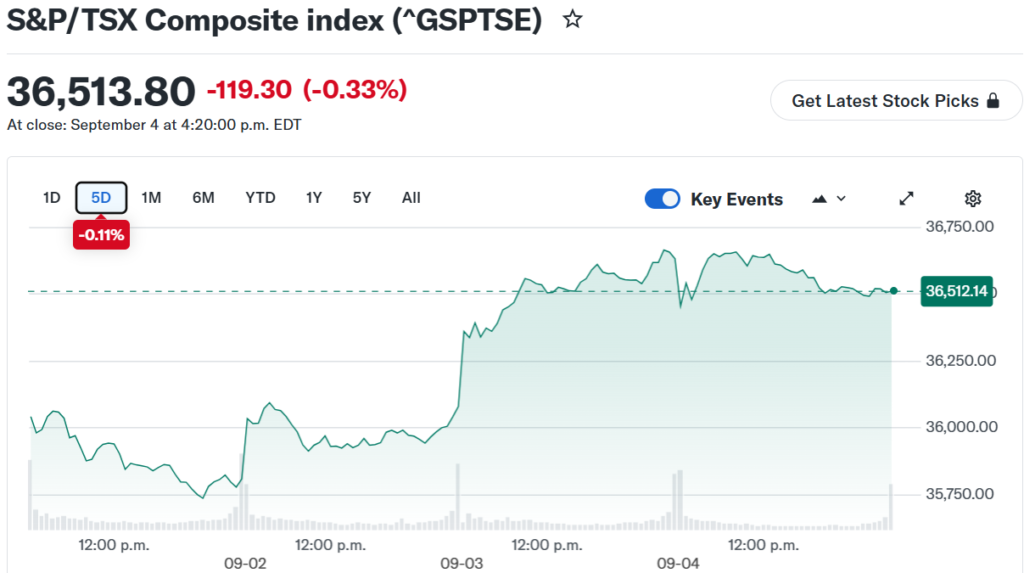
Canadian equities fell early in the week before staging a strong rebound. The TSX surged 1.5% on Thursday, supported by strength in technology, gold and materials, closing at 36,633.12. The index then briefly reached a weekly high of approximately 36,666 on Friday. However, an unexpected decline of roughly 42,000 Canadian jobs, together with weakness in energy and financial stocks, weighed on sentiment into the close. The index finished the week at 36,513.80, down approximately 0.11% overall and effectively flat on the week.
Source: Yahoo Finance
U.S. Equities:
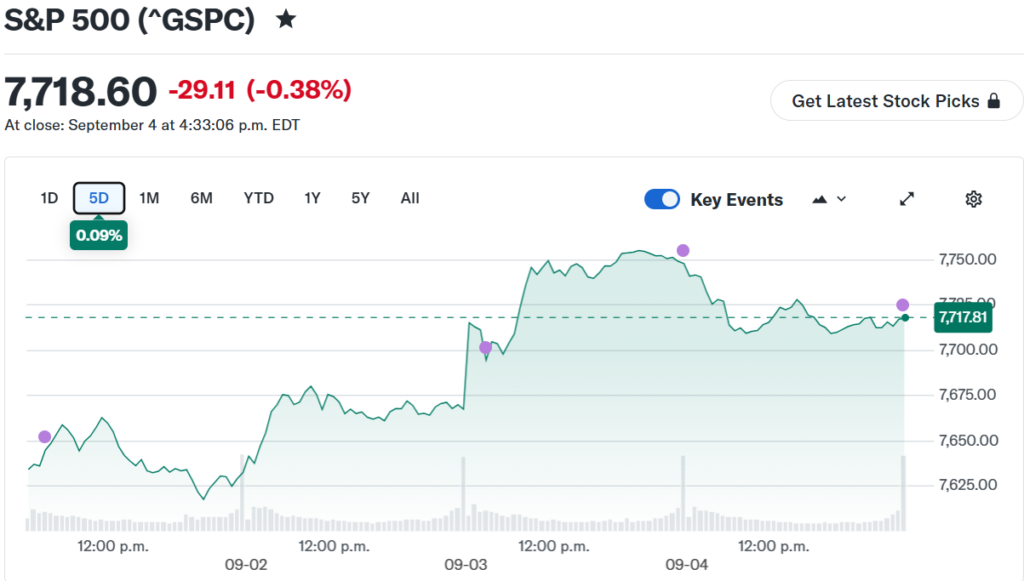
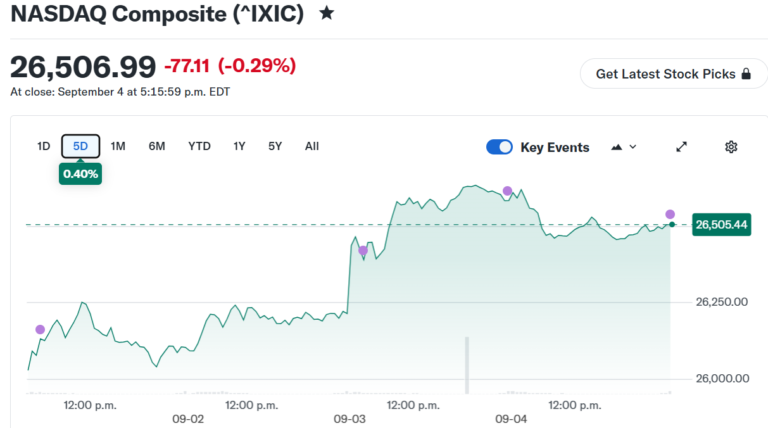
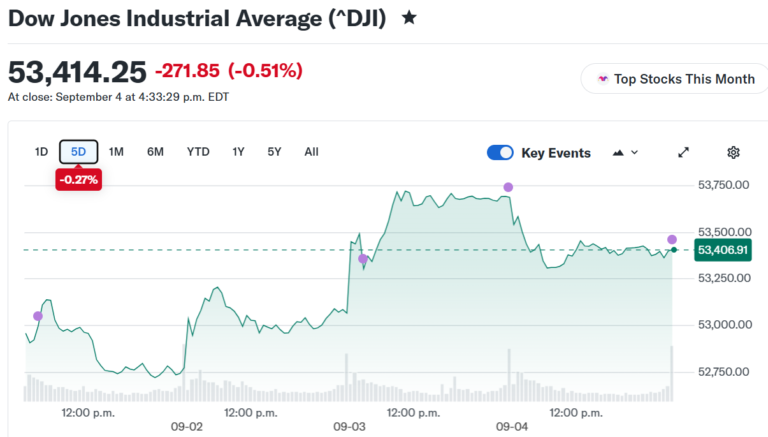
U.S. equities traded in a relatively narrow range during the week, with the Nasdaq outperforming on continued strength in mega-cap technology and AI-related stocks. The Nasdaq gained approximately 0.40%, while the S&P 500 edged up 0.09%. In contrast, the Dow declined around 0.27%. Stronger-than-expected U.S. employment data on Friday pushed interest-rate expectations higher and pressured equities, particularly rate-sensitive sectors, leading all three major indices to retreat from their weekly highs.
Source: Yahoo Finance
U.S. Bonds:
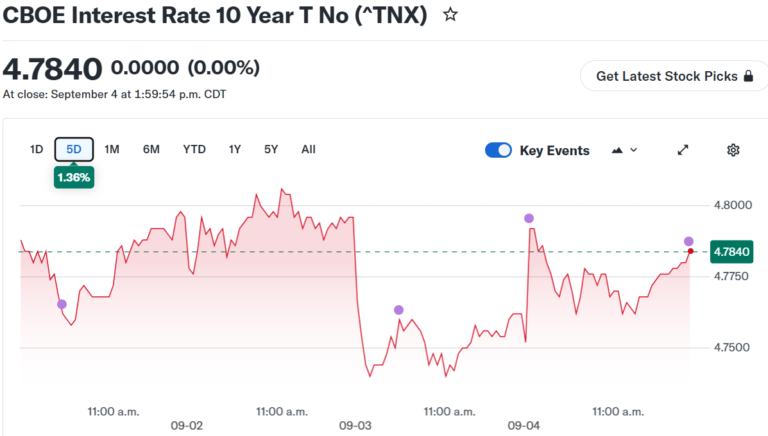
U.S. equities traded in a relatively narrow range during the week, with the Nasdaq outperforming on continued strength in mega-cap technology and AI-related stocks. The Nasdaq gained approximately 0.40%, while the S&P 500 edged up 0.09%. In contrast, the Dow declined around 0.27%. Stronger-than-expected U.S. employment data on Friday pushed interest-rate expectations higher and pressured equities, particularly rate-sensitive sectors, leading all three major indices to retreat from their weekly highs.
Source: Yahoo Finance
Forex Market:
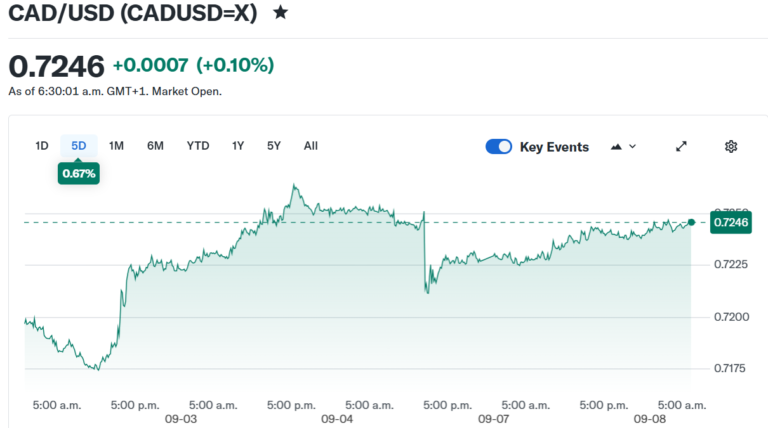
The Canadian dollar followed a clear rise-then-reversal pattern during the week. After weakening initially, the currency strengthened as higher oil prices and expectations surrounding Bank of Canada policy provided support, with CAD/USD reaching a weekly high of approximately 0.7254 on September 3. On Friday, Canada unexpectedly lost roughly 42,000 jobs while U.S. employment data came in significantly stronger than expected, prompting the Canadian dollar to give back much of its earlier gains. CAD/USD finished the week at approximately 0.7223, little changed from 0.7219 the previous Friday.
Source: Yahoo Finance
Gold & Silver Market:
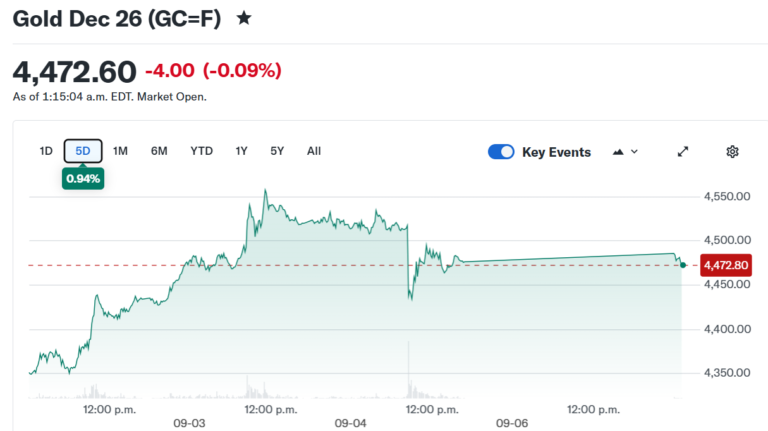
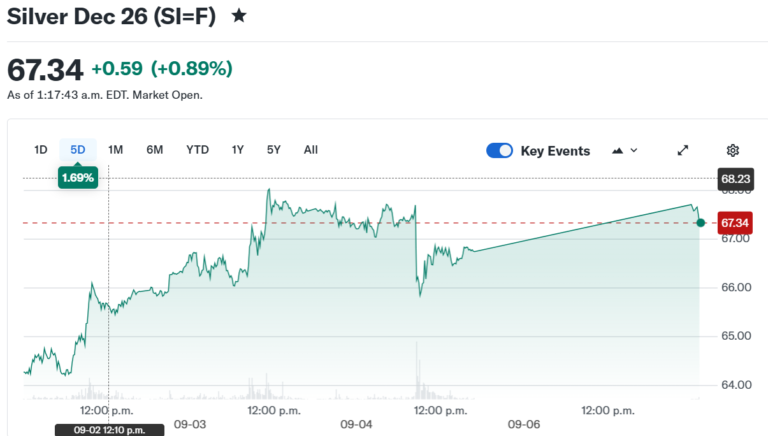
Precious metals remained volatile during the week, with both gold and silver rebounding sharply midweek before retreating on Friday. December gold futures fell approximately 1.2% for the week to US$4,476.60 per ounce, while silver declined around 1.5% to US$66.748 per ounce. Stronger-than-expected U.S. employment data pushed Treasury yields and the U.S. dollar higher, weighing on precious metals, with silver experiencing relatively larger price swings.
Source: Yahoo Finance
Oil Market:
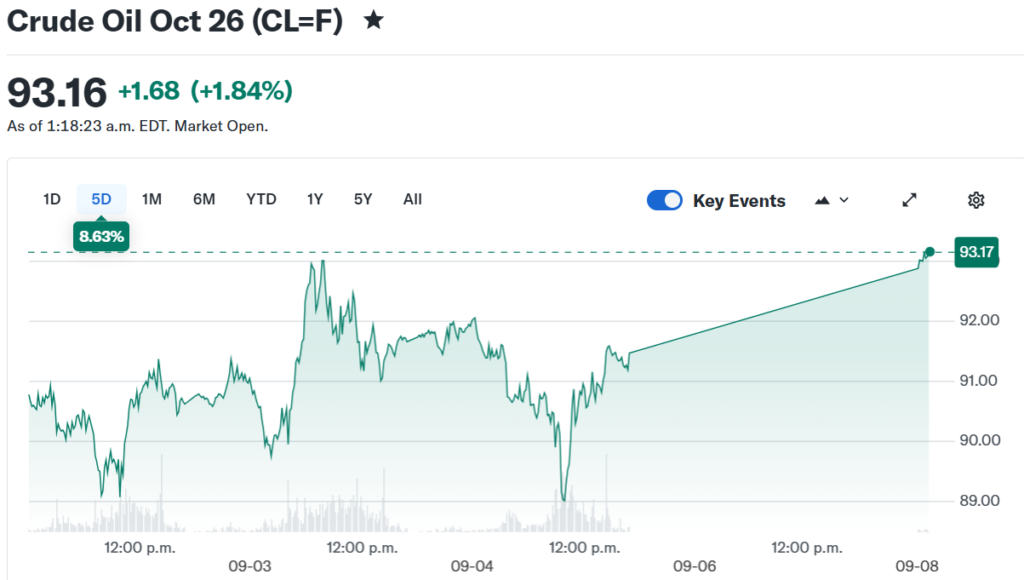
Crude oil was one of the strongest-performing major assets of the week. October WTI futures surged from US$83.40 per barrel the previous Friday and reached an intraday high of US$93.14 on September 3. The contract ended Friday at US$91.48 per barrel, representing a weekly gain of approximately 9.7%. Escalating U.S.–Iran tensions and growing concerns over crude supply and shipping disruptions through the Strait of Hormuz were the main drivers, leading to a significant increase in the geopolitical risk premium.
- Let us contact you
Investing with an AimStar's investment professional
Want expert advice at every step of your investing journey?
AimStar’s investment professionals can set you on the right course – and they can meet in-person or online.
Financial Market Data Copyright © 2026 AimStar myportfolio. Data as of September 8th, 2026, 15:30 PM EST

WHAT'S HAPPENING THIS WEEK
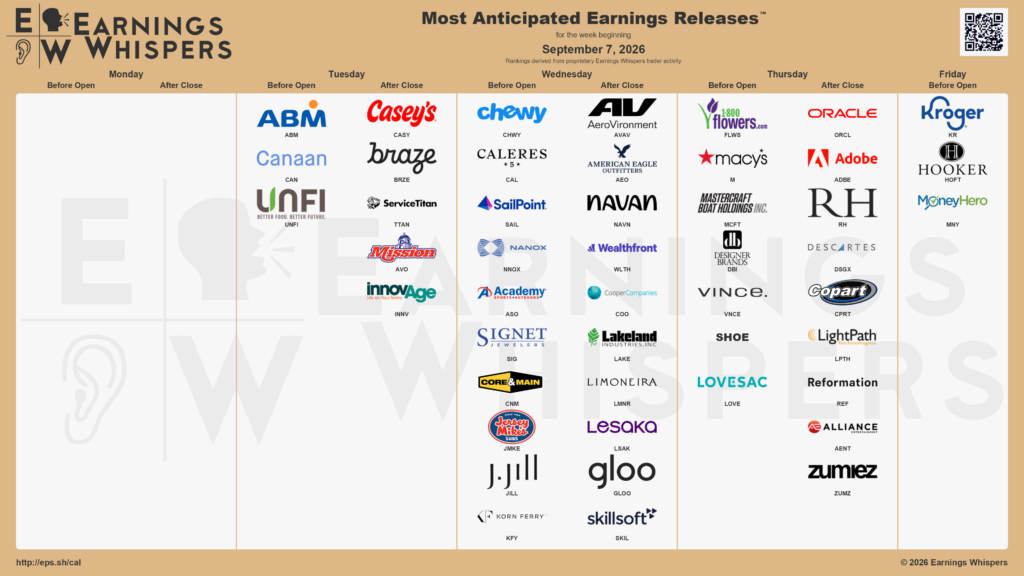
Tuesday, September 8
- Casey’s General Stores (CASY)
- Braze (BRZE)
- United Natural Foods (UNFI)
Wednesday, September 9
- Chewy (CHWY)
- American Eagle Outfitters (AEO)
- AeroVironment (AVAV)
Thursday, September 10
- Oracle (ORCL)
- Adobe (ADBE)
- Macy’s (M)
Friday, September 11
- Kroger (KR)
- Hooker Furnishings (HOFT)
- MoneyHero (MNY)
Author by: Sarah San
Edited & Published by: Sarah San
September 8th , 2026 15:30 PM EST. 10 min read

AimStar Capital Group Inc. is a Canadian full-service Investment Dealer, regulated by Canadian Investment Regulatory Organization (CIRO) and a member of Canadian Investor Protection Fund (CIPF). As an independent firm, AimStar is built on a foundation of innovation, integrity, and client-centricity. They are committed to providing unbiased advice and dedicated to the client’s needs, helping them achieve their financial goals.
AimStar is recognized as a Wealth Professionals 5-star Wealth Management Firm for 2024, this award recognized AimStar has offered exceptional client experience, a proven investment track record, continuous innovation, and stringent regulatory compliance.